


Why a Sudden Decline After Nursing Home Admission Can Be More Than “Getting Older”
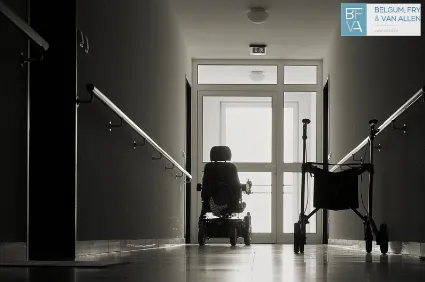
Thousands of families throughout California trust nursing homes to care for elderly family members. While many of these facilities provide safe and compassionate care, it is crucial to understand why a sudden decline after nursing home admission can be more than “getting older.” The unfortunate reality is that many elderly nursing home residents in California and throughout the US are subjected to abuse and neglect, and some simply struggle with this transition.
Why a Sudden Decline After Nursing Home Admission Can Be More Than “Getting Older”
The decision to place an elderly family member in a nursing home is a very difficult one to make, and any family is likely to have many questions and concerns about what their loved one should expect in this new environment. Unfortunately, it is very common for newly admitted nursing home residents to experience sudden declines in their overall health.
This can happen for many reasons, some of which are grounds for a family to pursue legal action:
- Elderly individuals are generally less resilient to change than younger people, and the shock of admission into a nursing home can cause Relocation Stress Syndrome. This can not only involve psychological distress, anxiety, or depression, but also result in physical symptoms.
- While many nursing home staff members are committed to providing compassionate elder care, some choose to take advantage of their positions and intentionally harm their patients. Nursing home abuse is a pervasive issue, and the National Council on Aging estimates that as few as one in every 24 cases of elder abuse in the US is reported to the authorities. A sudden decline could be a response to abuse from a caregiver.
- Some elderly nursing home residents struggle with memory disorders and degenerative conditions like Alzheimer’s disease. These individuals are especially sensitive to changes in their environment. A very sudden change of location can result in delirium, confusion, and distress that can take a long time to manage.
These are just a few reasons why a sudden decline after a nursing home admission can be more than “getting older.” If you place an elderly family member in any nursing home, no matter how reputable the facility may be, it is crucial that you do what you can to make this transition as smooth as possible and to know how to respond if you believe that your elderly loved one has experienced abuse or neglect.
If you do have reason to believe that your elderly family member has been abused in any way, it is crucial that you hire a nursing home abuse lawyer as soon as possible to discuss your legal options. These cases can be challenging to prove, and it is common for defendants to attempt to shift blame, citing vague reasons why a newly admitted resident has suddenly declined. They may also blame a decline from neglect on simply “getting older,” which is unacceptable.
The team at Belgum, Fry & Van Allen can help you reach the truth of any such situation. Our firm has years of experience helping clients throughout California with nursing home abuse and neglect cases, and we can help you determine whether your elderly loved one’s sudden decline is an understandable result of their sudden change of environment or the result of something worse. Reach out to our firm as soon as possible to learn how we can help with your case.
FAQs
Why Do People Decline Faster in Nursing Homes?
People can decline faster in nursing homes for several reasons. This could be a result of Relocation Stress Syndrome, an exacerbation of an existing memory disorder, the psychological effect of isolation, and stress at the idea of making new relationships and adjusting to a new daily routine. Medical complications, loss of autonomy, social isolation, and various factors ultimately result in a trend of people declining faster in nursing homes.
How Do You Prove Nursing Home Abuse?
Proving nursing home abuse may require various types of evidence that a nursing home abuse attorney will know how to obtain. You may need eyewitness testimony, medical records, incident reports from the nursing home, and various other forms of evidence that you would have trouble obtaining on your own. If you intend to file a case, it is crucial that you are able to prove how the victim was abused and who is responsible.
What Are the Penalties for Nursing Home Abuse and Neglect?
Penalties for nursing home abuse and neglect can include fines, jail time, and restitution to the victim. The defendant responsible for the victim’s damages is liable for any and all civil damages the victim suffered, which may include various economic and non-economic damages. An experienced nursing home abuse attorney can explain what to expect in terms of your potential recovery and the penalties the defendant might face.
How Can I Help a Family Member Adjust to Their Nursing Home?
The ways in which you could help a family member adjust to their nursing home will depend on their individual needs, medical conditions, and personality. Generally, doing anything you can to create a sense of familiarity for them is helpful. Important keepsakes and decorations can help their new space feel more comfortable, and maintaining as much communication as possible is important during the early stages of this transition.
When Should I Hire a Nursing Home Abuse Lawyer?
While many newly admitted nursing home residents experience a sudden decline, you should hire a nursing home abuse lawyer right away if you have any reason to believe your elderly family member has been abused in any way by their caregiver. The sooner you consult an attorney, the more time they have to build your case.
The team at Belgum, Fry & Van Allen wants you to know the reasons why a sudden decline after nursing home admission can be more than “getting older.” If you have concerns about an elderly family member’s well-being, do not accept vague excuses, and consult a legal team you can trust to investigate the matter. Contact us today to schedule a free consultation with an experienced nursing home abuse attorney.


Address
1905 E Route 66, Suite 102
Glendora, CA 91740
FREE CASE EVALUATION(626) 914-9806
Quick Links
© Copyrights 2026 Belgum, Fry & Van Allen. All Rights Reserved.
Disclaimer | Site Map | Privacy Policy
Digital Marketing By 
*Images are obtained under license from Canva and other third-party stock image providers, with attribution included where required.